DIY Plumbing Fixes vs. Calling a Pro: A Guide for Lancaster, OH, Homeowners
This guide helps you decide which home plumbing jobs you can safely tackle yourself and which ones call for a licensed plumber, so Lancaster, OH, homeowners get the best result from residential plumbing without risking their safety or their property. A good do-it-yourself fix can save a service call, but the wrong one can cause leaks, water damage, or serious injury. A little knowledge goes a long way.
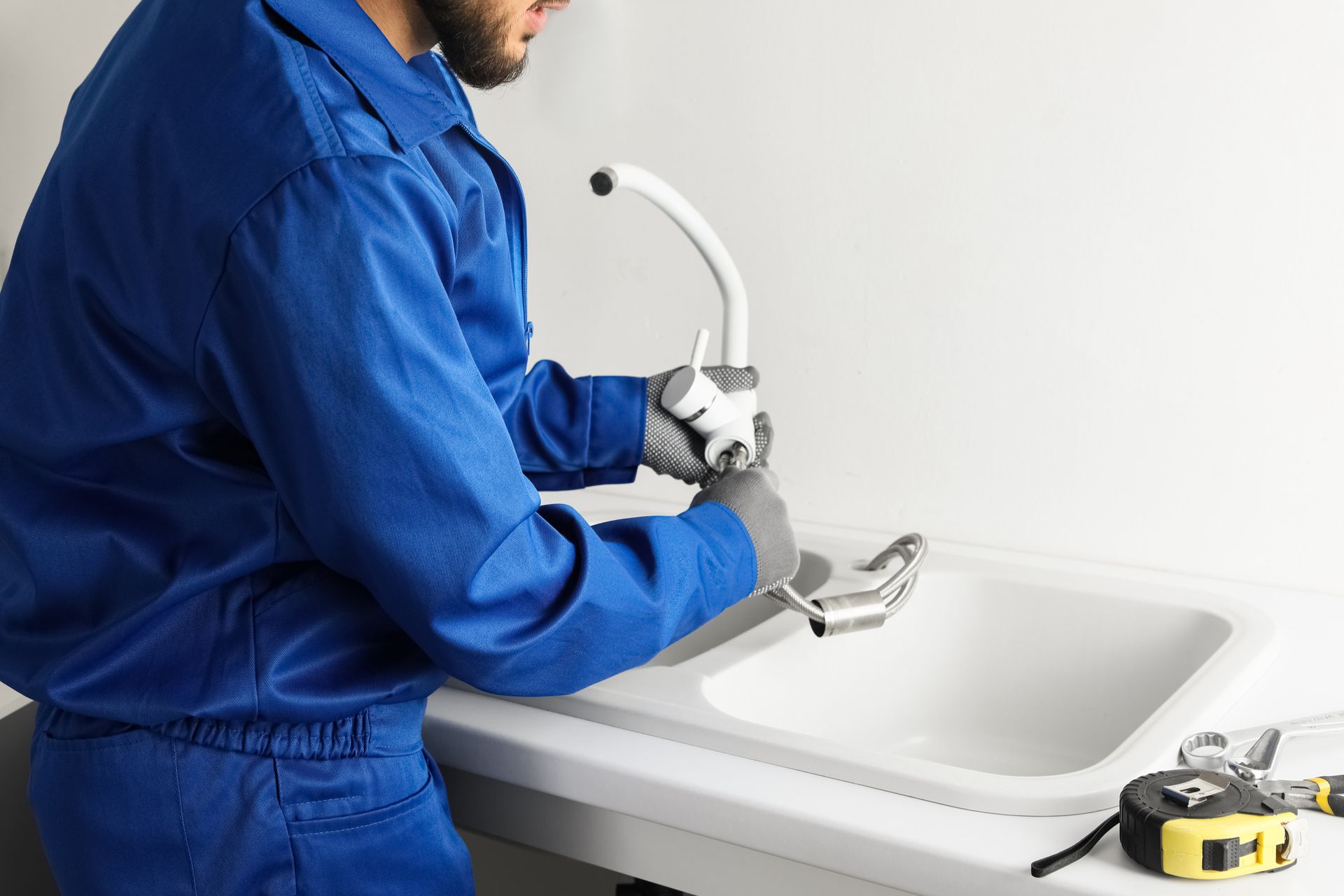
Fixes Most Homeowners Can Handle
Some plumbing tasks are simple enough for a careful homeowner with basic tools. These usually include:
▸ Unclogging a sink or tub with a plunger or a hand drain snake.
▸ Replacing a showerhead or aerator.
▸ Fixing a running toilet by replacing a flapper or fill valve.
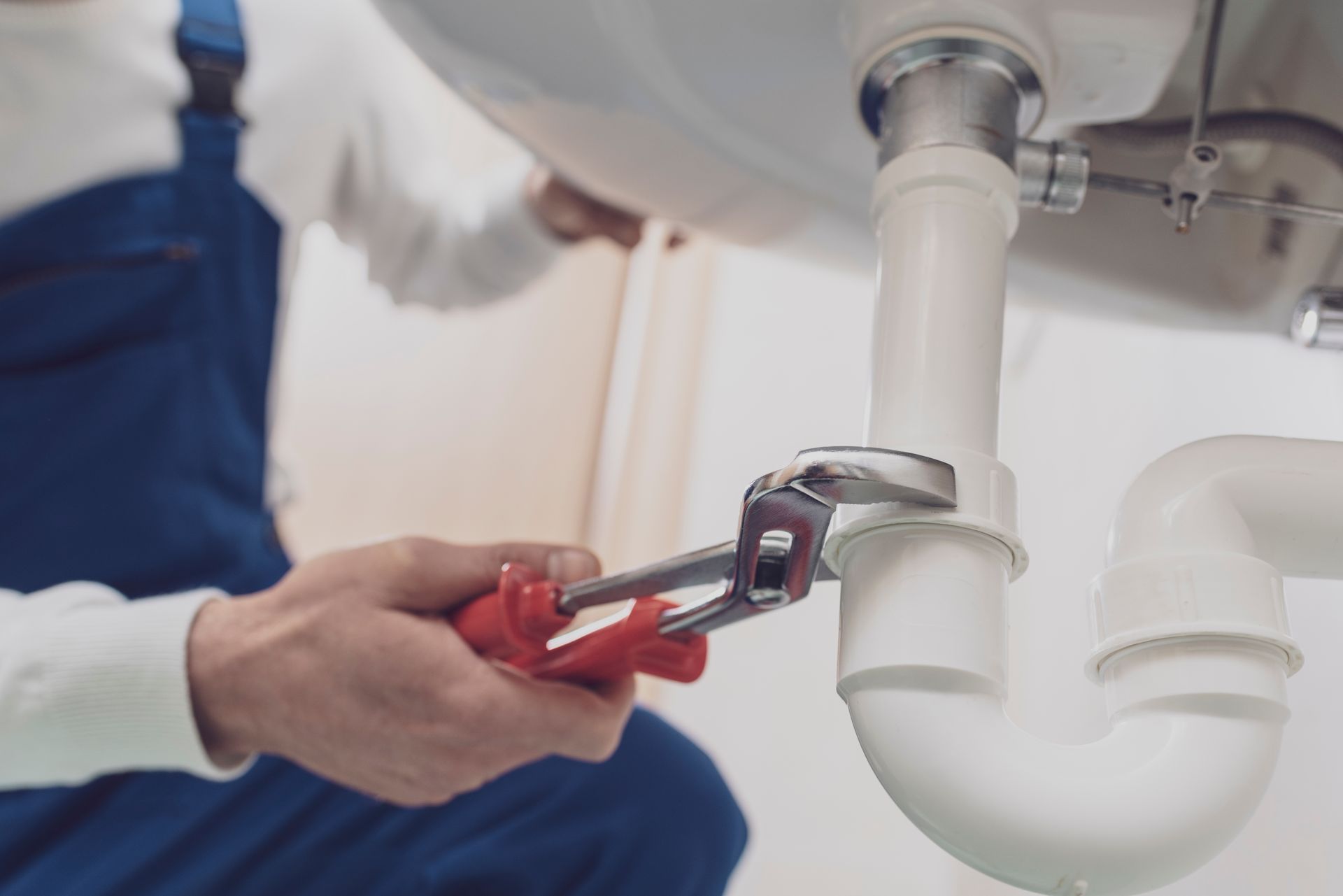
▸ Tightening a loose faucet handle or compression fitting.
▸ Replacing a washer or cartridge in a dripping faucet.
▸ Insulating exposed pipes before cold weather.
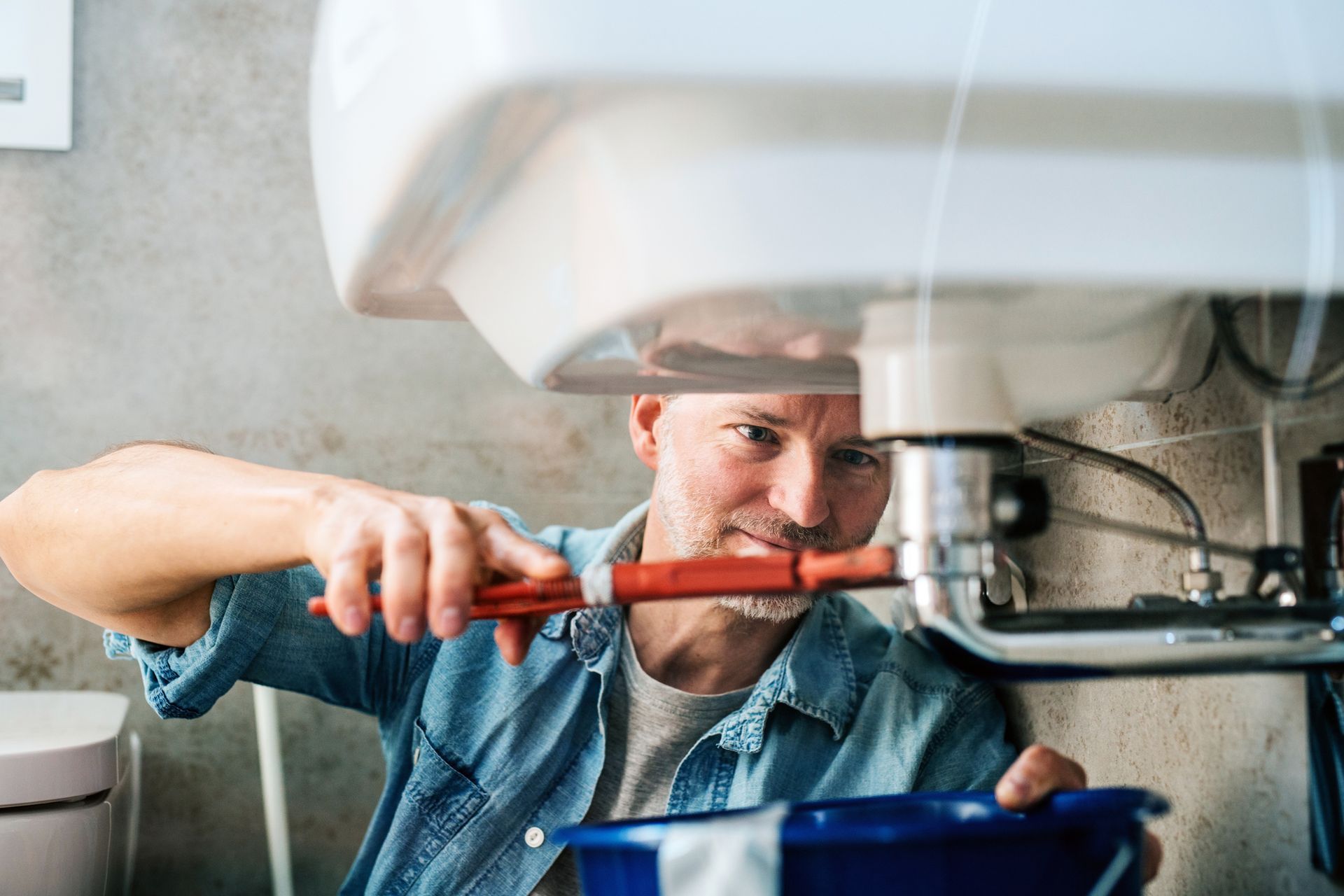
For each of these, shut off the water at the nearest valve first, and keep a bucket and towels handy. If the job turns out to be bigger than it looked, stop and call for help.
Jobs That Need a Licensed Plumber
Some work carries real risk, and many projects also fall under Ohio plumbing codes and permit rules. Leave these to a licensed professional:
▸ Gas line work of any kind, including appliance connections.
▸ Water heater installation or repair, especially gas and electric units.
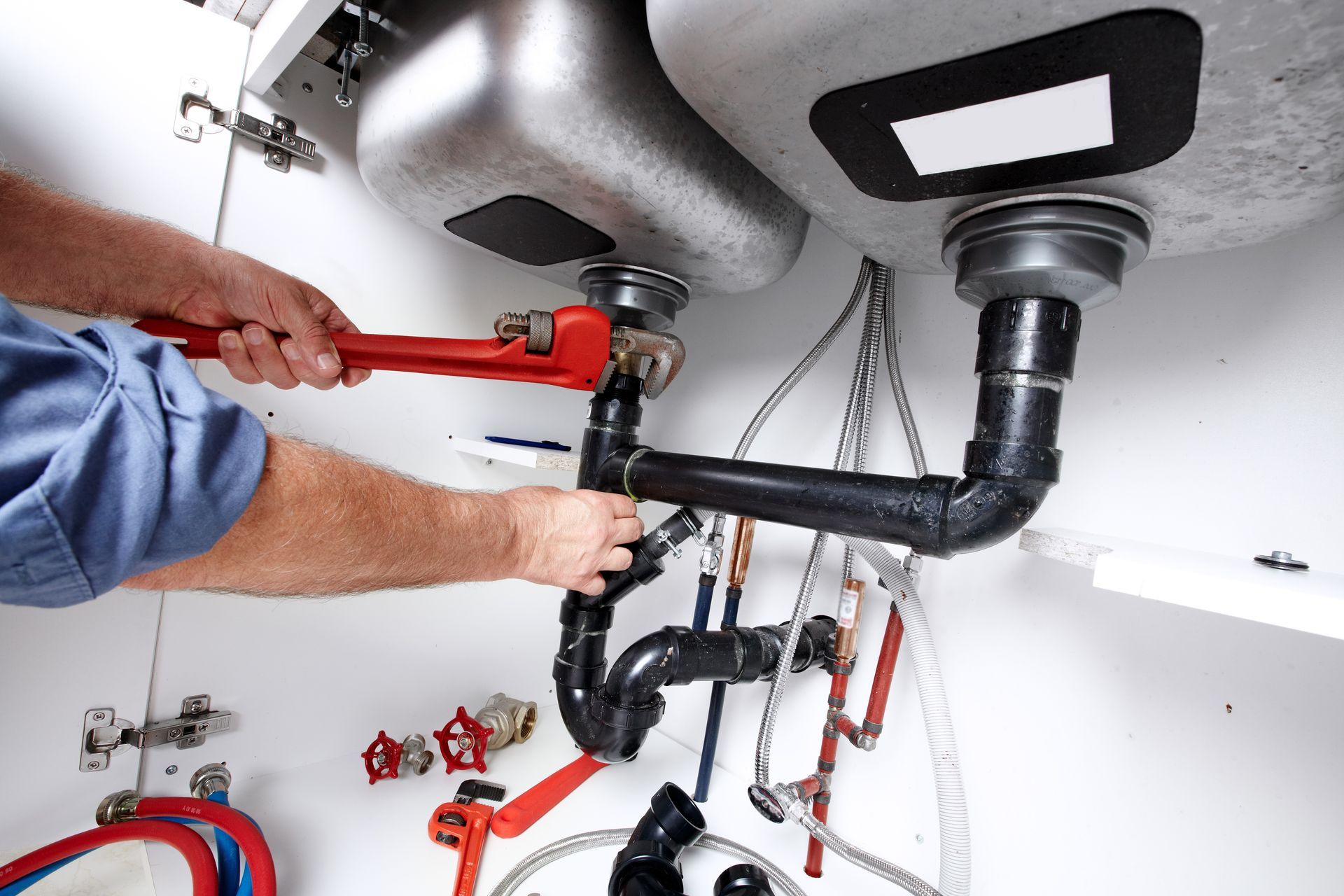
▸ Sewer line problems, repeated backups, or tree root intrusion.
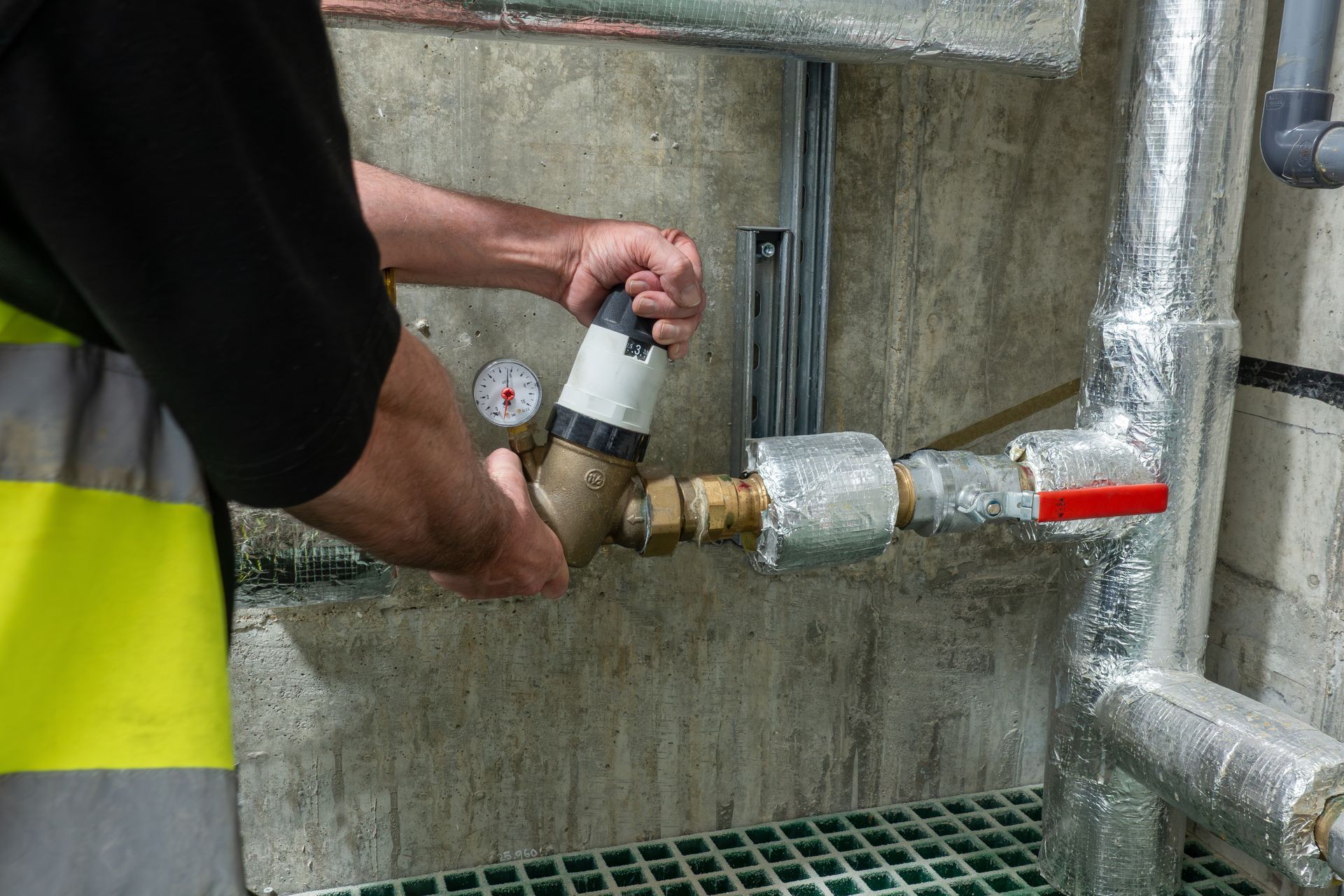
▸ Main water line leaks or low pressure throughout the house.
▸ Pipe replacement for corroded or aging lines.
▸ Repiping, remodel rough in, and new fixtures that need new supply or drain lines.
Professional residential plumbing helps make sure the work meets code, passes inspection, and does not create a hidden problem that appears months later.
Safety Risks of DIY Plumbing
The biggest dangers are not always obvious. Keep these points in mind:
▸ Gas leaks can cause fires, explosions, and carbon monoxide exposure. If you smell gas, leave the building and call 911 and your gas company first.
▸ Water heaters combine heat, pressure, and either gas or electricity, so mistakes can be dangerous.
▸ Chemical drain cleaners can burn skin, damage pipes, and create harmful fumes, especially if mixed.
▸ Water near electrical outlets and appliances can create shock hazards.
If you are not completely sure a task is safe, it is worth the cost of a professional visit.
The Hidden Cost of a Failed DIY Repair
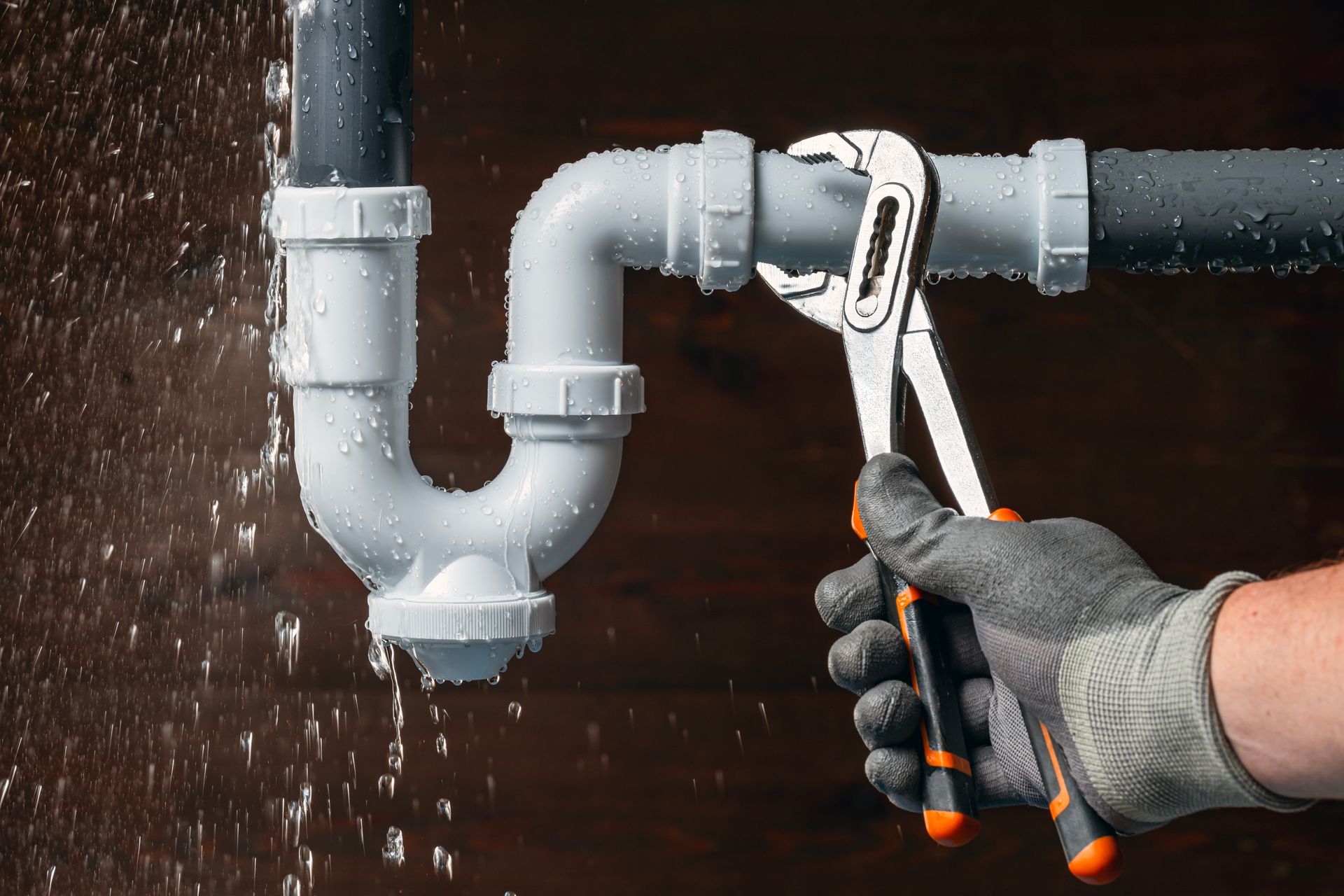
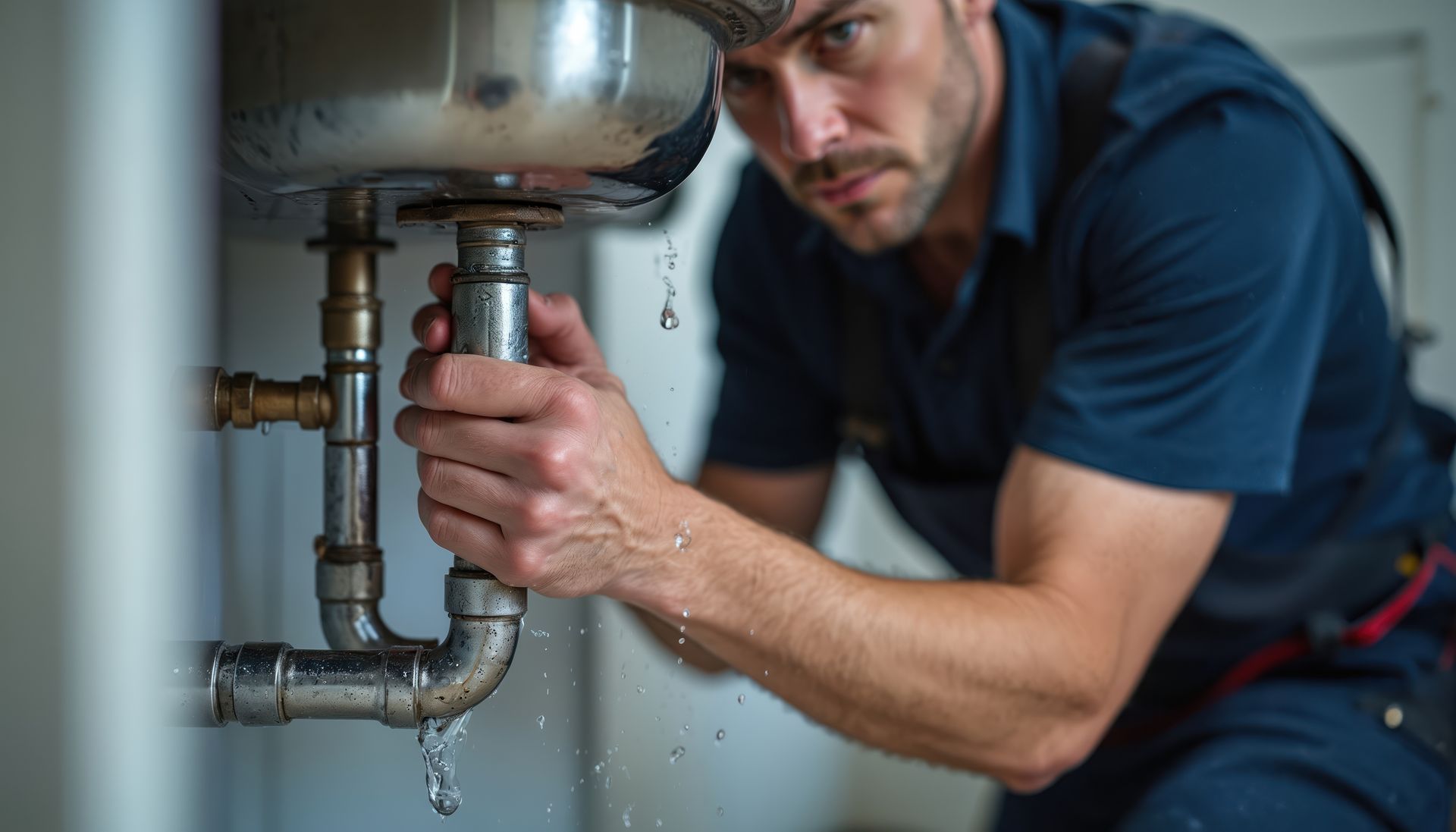
A DIY repair that goes wrong can cost more than the original problem. A poorly sealed fitting can leak inside a wall for weeks before you notice. A slow drain treated with the wrong tool can damage a pipe. A mistake with a water heater can void a warranty or create a safety problem.
Many homeowners also find that a professional diagnosis catches the real cause. A recurring clog, for example, may point to a deeper sewer line issue that a plunger will never fix. Our sewer and drain cleaning page explains how professional equipment finds and clears these problems.
How to Decide: A Quick Checklist
Before you start any residential plumbing repair, ask yourself these questions:
1. Do I know exactly what the problem is, and where to shut off the water?
2. Do I have the right tools and parts, and am I comfortable using them?
3. Does the job involve gas, a water heater, or the main line?
4. Could a mistake cause water damage or injury?
5. Will the work need a permit or inspection under local code?
If the answer to number 3, 4, or 5 is yes, call a plumber.
What Hiring a Pro Looks Like
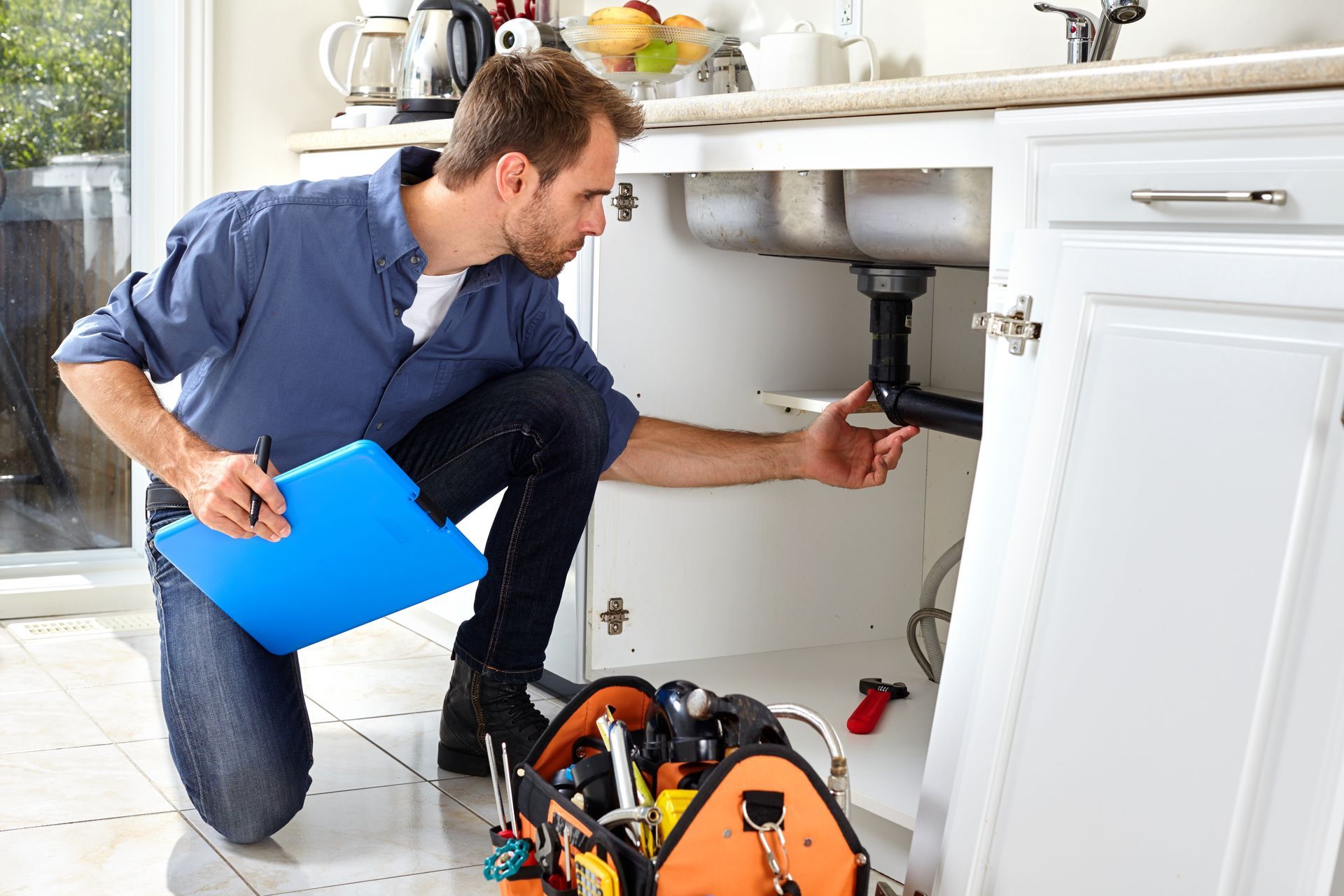
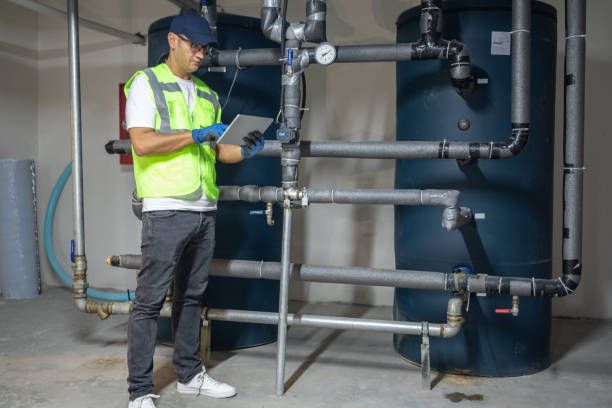
A good plumber starts with a clear diagnosis and an honest recommendation before any work begins. With a licensed company, a uniformed, insured technician should explain what is wrong and what the repair involves first. Same day and 24 hour emergency service is available from many local companies for urgent problems, including leaks, drains, water heaters, and sewer lines.
Our residential plumbing page lists the full range of home services, and you can learn about water heater service if your heater is acting up.
Common Questions About DIY Plumbing
Is It Safe to Use Chemical Drain Cleaners?
They can be risky. Chemical cleaners may burn skin, damage some pipes, and release harmful fumes. A plunger or hand snake is usually a safer first step.
Do I Need a Permit for Plumbing Work?
Some projects do, such as water heater replacement or new supply lines. Rules vary, so check with your local building department or ask a licensed plumber.
What Should I Do if a Pipe Bursts?
Shut off the main water valve, turn off power to wet areas if it is safe, and call for emergency help right away.
Get Help From a Licensed Local Plumber
John Peters Plumbing and Heating is a licensed, bonded, and insured plumber based in Logan, OH, serving Lancaster and Fairfield County homeowners with residential plumbing for decades. Call (740) 385-6385 any time, day or night, or visit our emergency plumbing page for urgent service. You can also contact our team to schedule a visit.